A misfire can feel like the car is clearing its throat at the worst possible moment. Sometimes it is a quick stumble you only notice on a hill. Other times it is a steady shake at idle that makes every stoplight feel long.
The good news is that misfires follow a pattern, and it's not hard to diagnose the problem.
What A Misfire Actually Is
A misfire is when one cylinder does not burn its air and fuel mixture consistently, so the engine loses its rhythm. You might feel it as a hiccup, a shake, or a brief loss of power, and it may be more noticeable at idle than at speed. In some cases, the car still drives okay, which is why people keep going and hope it disappears.
What matters is when it happens. A misfire only at idle points in a different direction than a misfire only under load. If the check engine light is flashing, treat that as a sign to ease off and get it checked soon.
Ignition Problems That Show Up First
Spark plugs and ignition coils are the most common culprits we see, especially as mileage climbs. Plugs wear gradually and the gap opens up, which makes it harder for the spark to jump, particularly under load. Coils can weaken in a way that feels intermittent at first, then becomes consistent.
Misfires from ignition issues often show up during acceleration or on hills. They can also show up after a long drive, when underhood heat has built up and a borderline coil starts acting up. Regular maintenance here is not glamorous, but staying on top of plugs on schedule prevents a lot of repeat issues.
Fuel Delivery And Injector Trouble
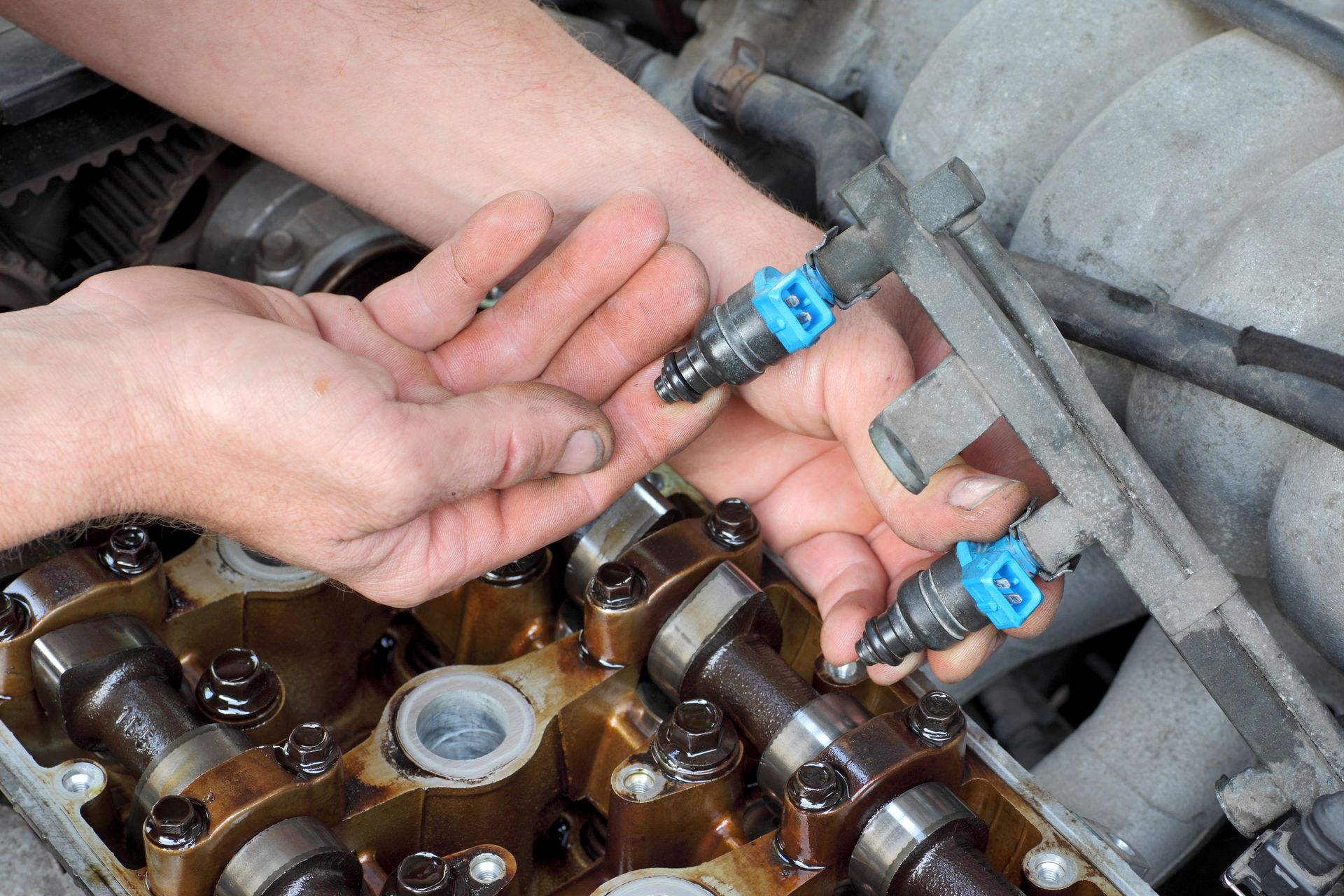
Fuel problems can cause a misfire when a cylinder is not getting the amount of fuel it needs. A partially restricted injector can make one cylinder run lean and stumble, especially at idle or light throttle. Low fuel pressure can do something similar, but that usually shows up more under load when demand is higher.
A misfire that appears right after a fill-up is worth noting, even if it goes away. It does not always mean bad fuel, but it can point toward an EVAP purge issue or fuel delivery behavior that needs a closer look. We’ll often verify pressure behavior first because it helps separate supply issues from injector issues quickly.
Air Leaks And Airflow Metering Issues
Unmetered air is a classic cause of random-feeling misfires. A small vacuum leak can lean out the mixture at idle, and the engine starts to stumble even though it seems fine cruising down the road. Cracked intake boots, PCV hoses, and loose clamps are common leak points that are easy to miss from above.
Airflow metering can also be involved. A dirty mass airflow sensor or an intake tract that is not sealed correctly can skew fueling enough to trigger a misfire under certain conditions. If the engine seems to surge slightly, or the idle has a soft hunting feel, air and mixture control rise on the suspect list.
Sensor And Control Problems When Warm
Some misfires are not directly caused by parts like plugs or injectors, but by the information the engine computer is working with. Oxygen sensors and other control inputs help fine-tune fueling once the engine is warm. If a sensor is slow or skewed, the mixture can drift and a misfire may show up even when the engine sounds normal most of the time.
Temperature behavior matters too. If the engine is not reaching the right operating temperature, or it is running warmer than it should, fuel control changes and misfires can appear in a narrow window. This is why we like to look at live data and not just guess from the symptom alone.
When It Is More Than A Tune-Up Issue
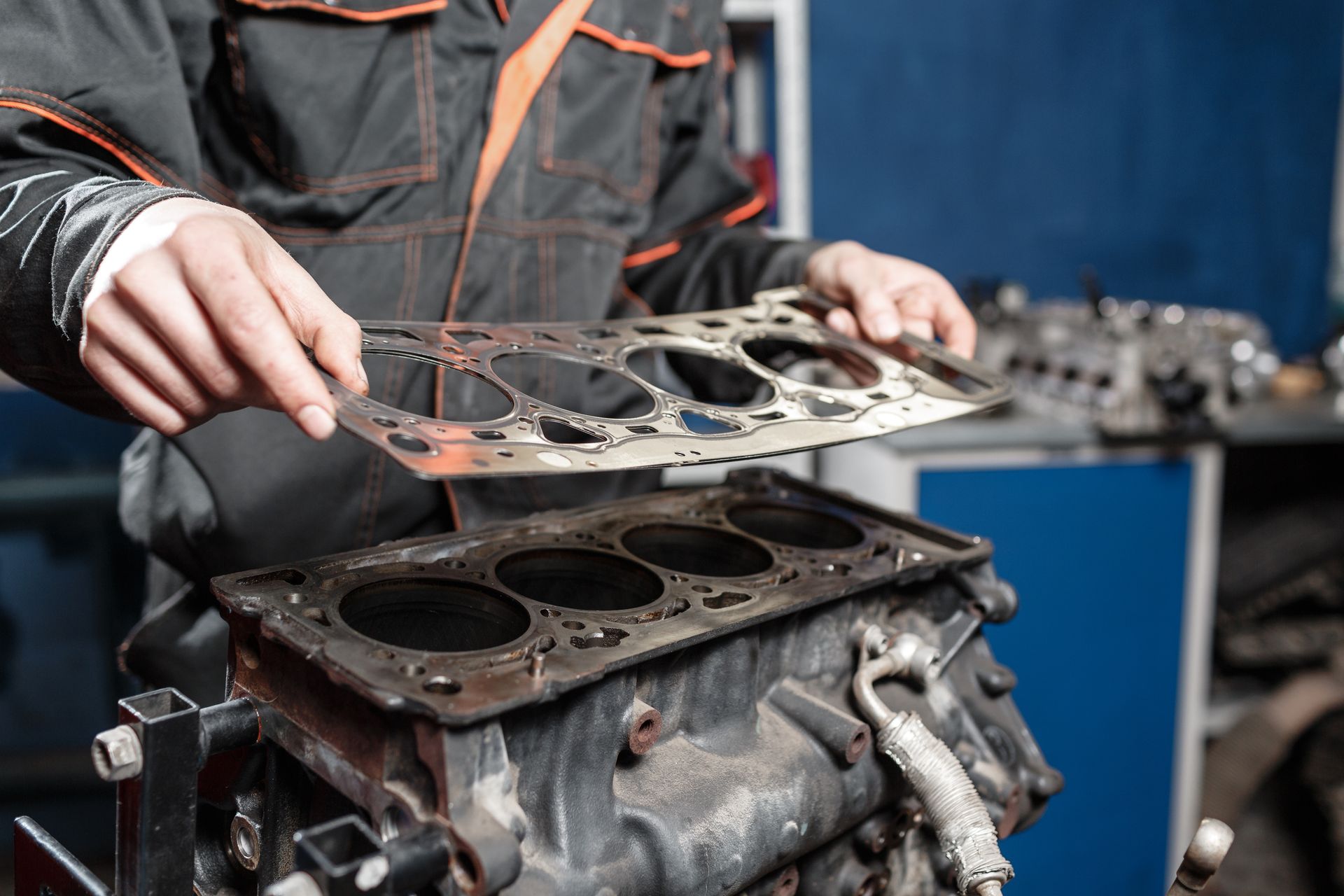
Sometimes a misfire is the result of a mechanical issue inside the engine, like low compression in one cylinder. That can be caused by valve sealing problems, cylinder wear, or other internal issues that do not respond to new plugs. These cases often include other clues, such as persistent roughness, noticeable power loss, or repeated misfire events on the same cylinder.
If you want to capture helpful details before you bring it in, focus on when it happens and what else changes. These notes tend to speed things up:
- Does it happen mostly at idle, or mostly under acceleration?
- Is it worse cold, worse hot, or the same either way?
- Did it start after recent service or after a fill-up?
- Is the check engine light steady or flashing?
A focused inspection can confirm whether the issue is ignition, fuel, air, or something deeper, and it helps you avoid buying parts you didn't need.
Get Engine Misfire Repair In Multiple Locations In TX, With Yes! Automotive
Yes! Automotive, with multiple locations in Texas, can pinpoint what is causing the misfire and recommend the right fix based on what the engine is actually doing.
Book a visit and get back to a steady, confident drive.